
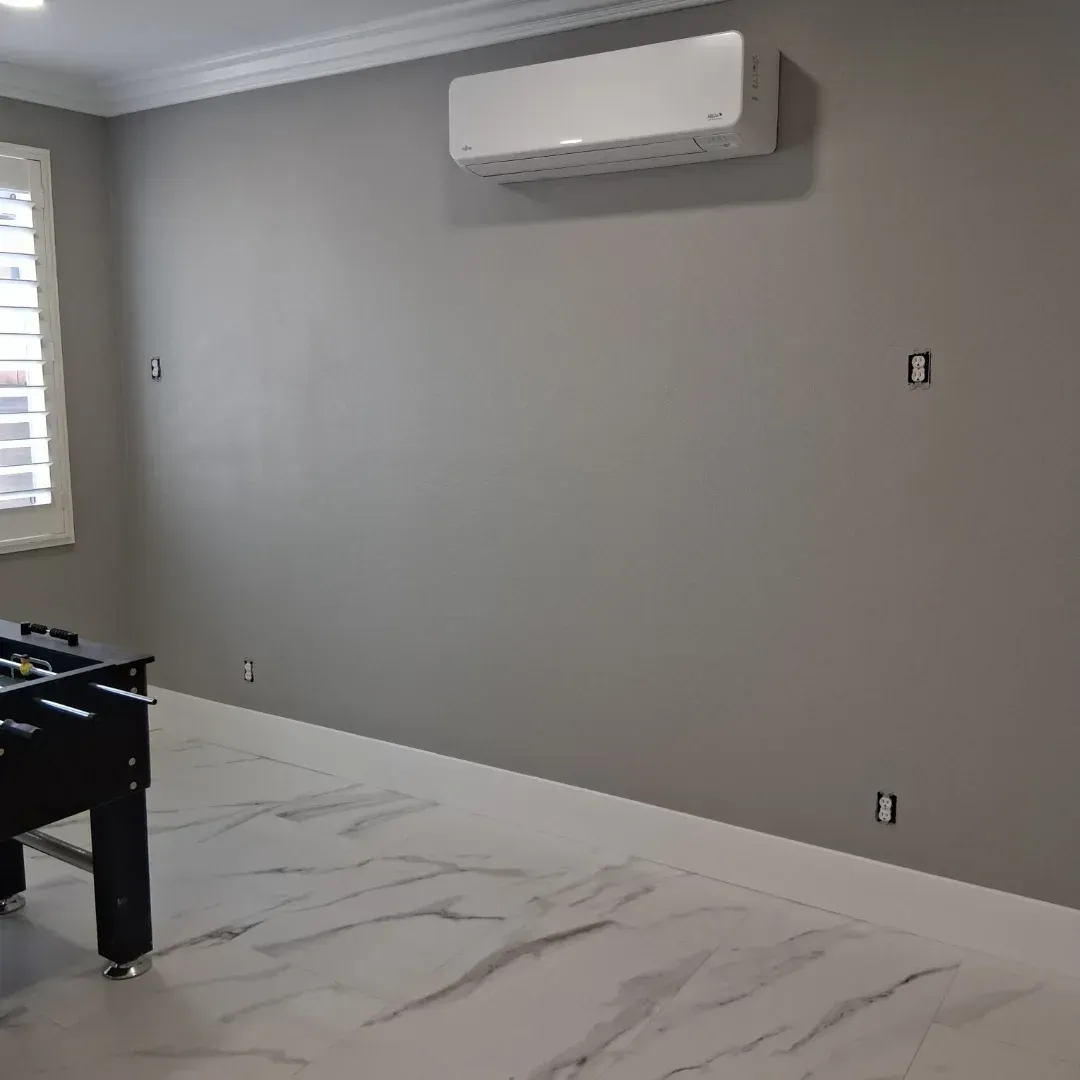
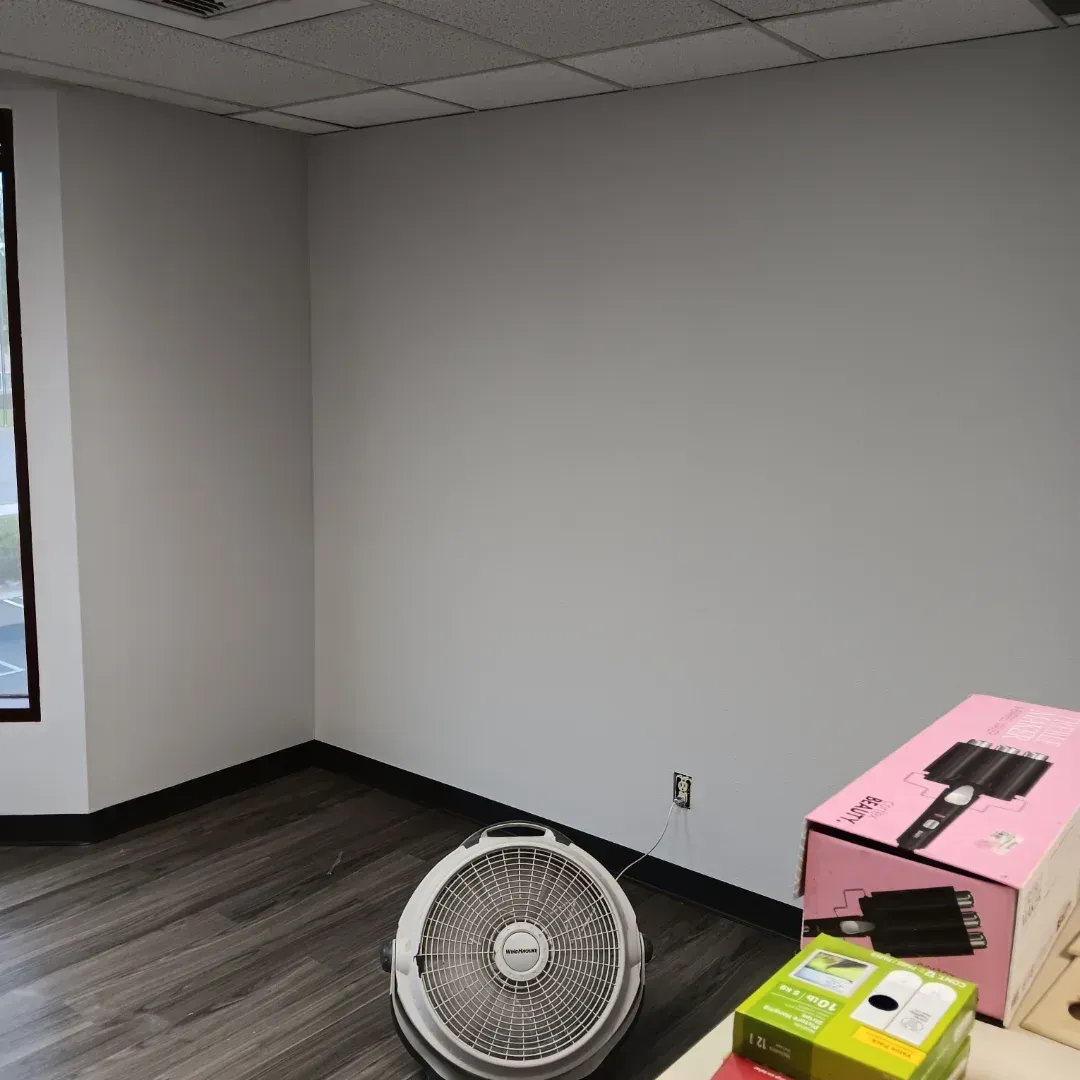
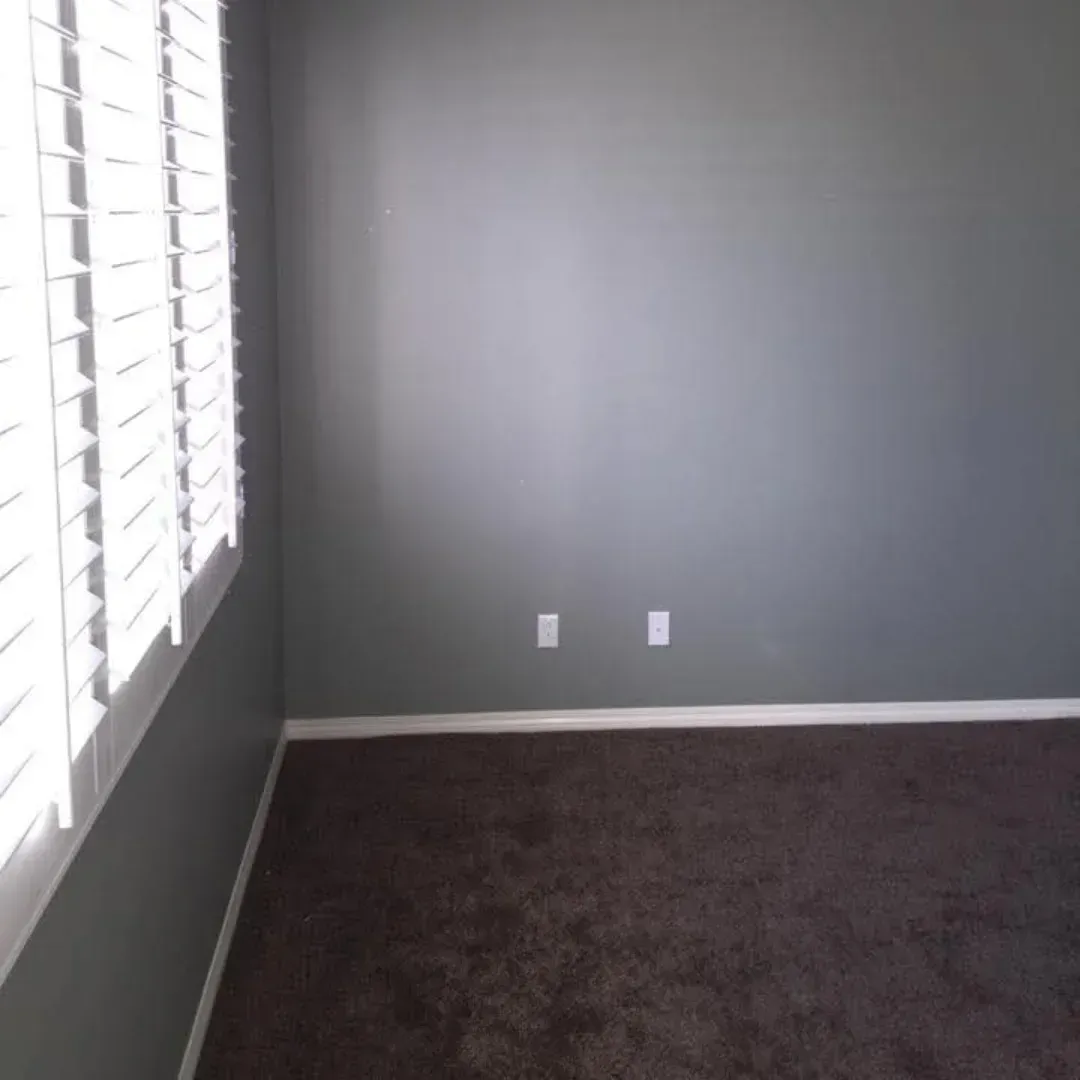
Facilities That Reflect Mission and Welcome Community
Non-Profit Business Painting in Lake Elsinore for community facilities and mission-driven organizations
Non-profit facilities serve staff, volunteers, and community members who associate building condition with organizational stability and professional capability. Painting services tailored to non-profit facilities maintain welcoming, professional environments where first impressions matter for donor confidence, program participation, and community trust. Flexible scheduling around organizational operations and events prevents disruption to services that communities depend on, while budget-conscious planning ensures improvement projects fit within constrained funding cycles typical of mission-driven organizations.
Interior and exterior painting options address facility improvements that extend building life and reduce long-term maintenance costs, with Tradesman Painting coordinating work around program schedules and volunteer availability. Experience working with non-profit organizations means understanding funding constraints, board approval processes, and the need for finishes that last longer between maintenance cycles.
Discuss upcoming improvement projects to evaluate facility needs and develop a plan that aligns with budget availability and operational schedules.
What Budget-Conscious Planning Involves
Budget-conscious planning for non-profit facilities means prioritizing high-visibility areas that affect donor perception, selecting long-lasting finishes that reduce repainting frequency, and phasing work to match funding availability rather than delaying all improvements indefinitely. Interior painting often focuses on entry areas, meeting rooms, and public-facing spaces before addressing back offices or storage areas, maximizing impact within available resources. Exterior work prioritizes street-facing elevations and entry points where community perception forms, with secondary elevations addressed as additional funding becomes available.
After completion, facilities present a maintained, professional appearance that reassures donors, attracts program participants, and reflects organizational competence. Staff and visitors notice consistent color schemes, clean surfaces free from scuffs or fading, and an environment that feels cared for rather than neglected—perceptions that directly affect community engagement and funding success.
Long-lasting finishes reduce the frequency of future projects, lowering total cost of ownership over the facility's operating life. The scope includes both interior updates that improve comfort and functionality for daily users and exterior protection that prevents substrate damage requiring more expensive structural repairs later.
Answers to Frequent Questions About Facility Projects
Non-profit organizations typically manage facility improvements differently than commercial or residential projects, with unique constraints around budgets, scheduling, and approval processes common in Lake Elsinore's community service sector.
How is scheduling coordinated around programs and events?
Work is phased to avoid disrupting scheduled activities, with high-traffic areas painted during program breaks and low-visibility areas addressed during regular operating hours when containment prevents interference.
What approach reduces total project cost without sacrificing quality?
Prioritizing high-impact areas, selecting durable coatings that extend repaint intervals, and phasing work across multiple budget cycles reduces immediate expense while maintaining professional appearance where it matters most.
How do long-lasting finishes benefit budget-constrained organizations?
Extended durability reduces maintenance frequency, lowers total cost of ownership, and allows limited funds to address other facility needs rather than repeating the same painting work every few years.
What improvements matter most for donor confidence?
Clean, well-maintained entry areas and public-facing spaces signal organizational competence and responsible stewardship, influencing donor perceptions of financial management and mission effectiveness.
When should facility painting happen relative to other improvements?
Painting typically follows structural repairs, flooring replacement, or major renovations, allowing access to surfaces without damaging newly completed work and ensuring finishes reflect the facility's updated condition.
Tradesman Painting works with non-profit organizations to develop practical solutions that fit operational realities and budget constraints. Contact us to review your facility's current condition and discuss phasing options that align with your funding and program schedules.