
Repairs That Disappear Into the Wall
Drywall Patch & Repair in Lake Elsinore for holes, cracks, dents, and damaged sections requiring surface restoration
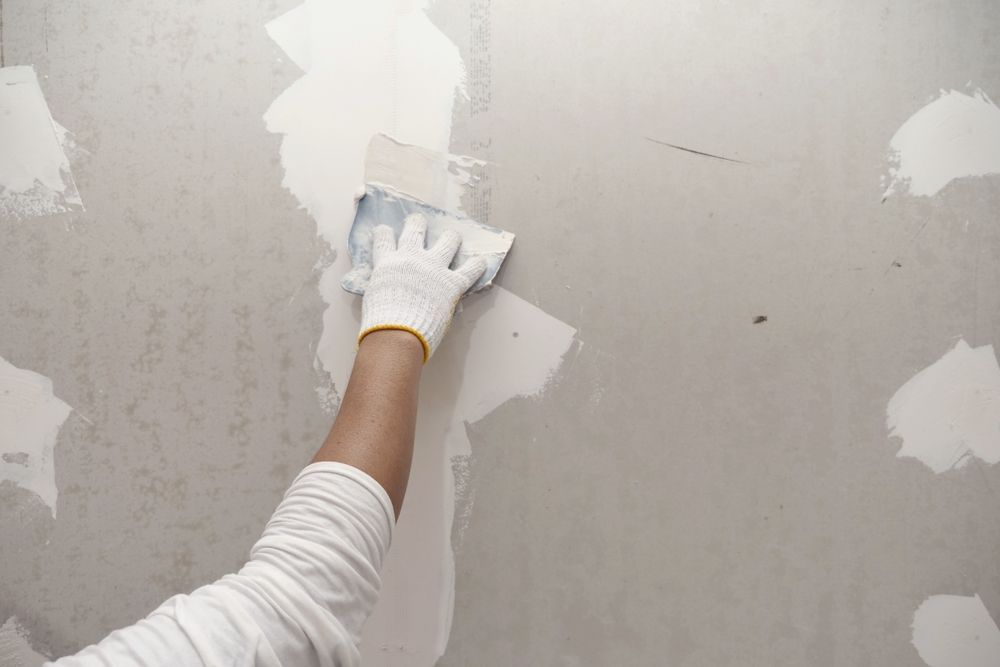
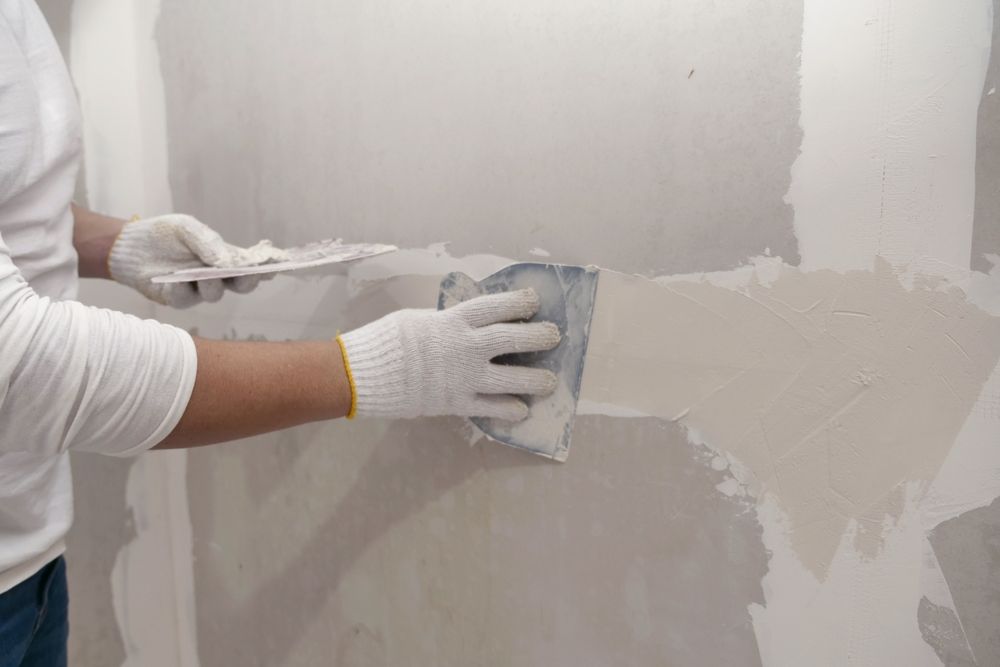
Holes from doorknob impacts, cracks along seams, and dents from furniture all disrupt wall surfaces and become more visible as light hits them from different angles throughout the day. Tradesman Painting repairs damaged drywall by cutting out compromised sections, installing backing material when needed, and building up joint compound in layers to match the surrounding wall plane. The repaired area is then smoothed and prepared for painting, restoring walls to a clean, finished appearance that blends completely into the existing surface.
Repair work involves assessing whether damage extends beyond the drywall face into insulation or framing, then selecting the correct patching method based on hole size and location. Small punctures are filled directly, while larger holes require cutting a clean square, adding backer board, and securing a new drywall piece before taping and mudding.
Arrange an on-site evaluation to identify all damaged areas and determine the scope of repair work needed.
How Drywall Repair Addresses Surface Damage
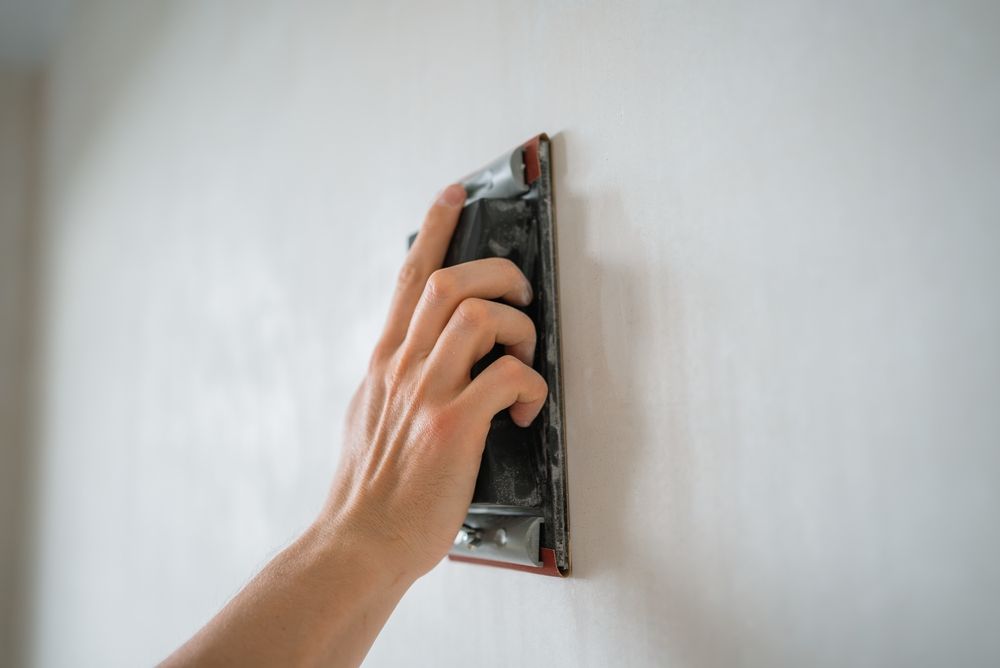
Matching existing wall surfaces means replicating the texture and plane of the surrounding area, which requires feathering joint compound outward from the repair so no ridge or depression marks the transition. Sanding happens in stages, checking the surface under angled light to catch any irregularities before they're locked in under paint.
After repairs are complete, you won't be able to locate the damaged area by sight or touch. The wall feels continuous across the repaired section, with no change in texture or height, and paint adheres uniformly without highlighting seams or filled areas.
Repairs include surface preparation that leaves the area ready for primer and paint, though matching existing paint color and sheen falls outside the patching process itself. If damage exposed insulation or created gaps around electrical boxes, those issues are addressed during the repair to restore both appearance and function..
Answers to Frequent Service Questions
Drywall damage varies widely in size and cause, and knowing what the repair involves helps you understand what to expect from the finished result.
What size holes can be patched without replacing entire drywall sections?
Holes up to about six inches across can typically be patched using backer material and compound, while larger damage often requires cutting to the nearest studs and installing a full drywall piece for structural integrity.
How do you match texture on a repaired area?
Existing texture is replicated using the same application method and material, whether that's knockdown, orange peel, or skip trowel, then blended into the surrounding surface so no line marks where the repair ends.
Why do some cracks reappear after being repaired?
Cracks caused by settling foundations or framing movement will return unless the underlying structural issue is addressed first, since drywall simply reflects whatever movement happens behind it.
How long before a repaired area is ready for painting?
Joint compound requires full drying between coats and after final sanding, which in Lake Elsinore's dry climate usually takes less time than in humid regions, but rushing the process causes paint to fail or highlight imperfections.
What's included in surface preparation after repair?
Repaired areas are sanded smooth, wiped clean of dust, and left ready for primer application, ensuring paint will adhere evenly without bubbling or peeling around the patch.
Tradesman Painting restores damaged drywall to match your existing walls, preparing surfaces for a seamless painted finish. Contact us to review the damage and receive a detailed repair plan.