
Floors That Handle Real Workshop Use
Epoxy Floor Coatings in Lake Elsinore for garages and commercial spaces exposed to daily traffic and spills
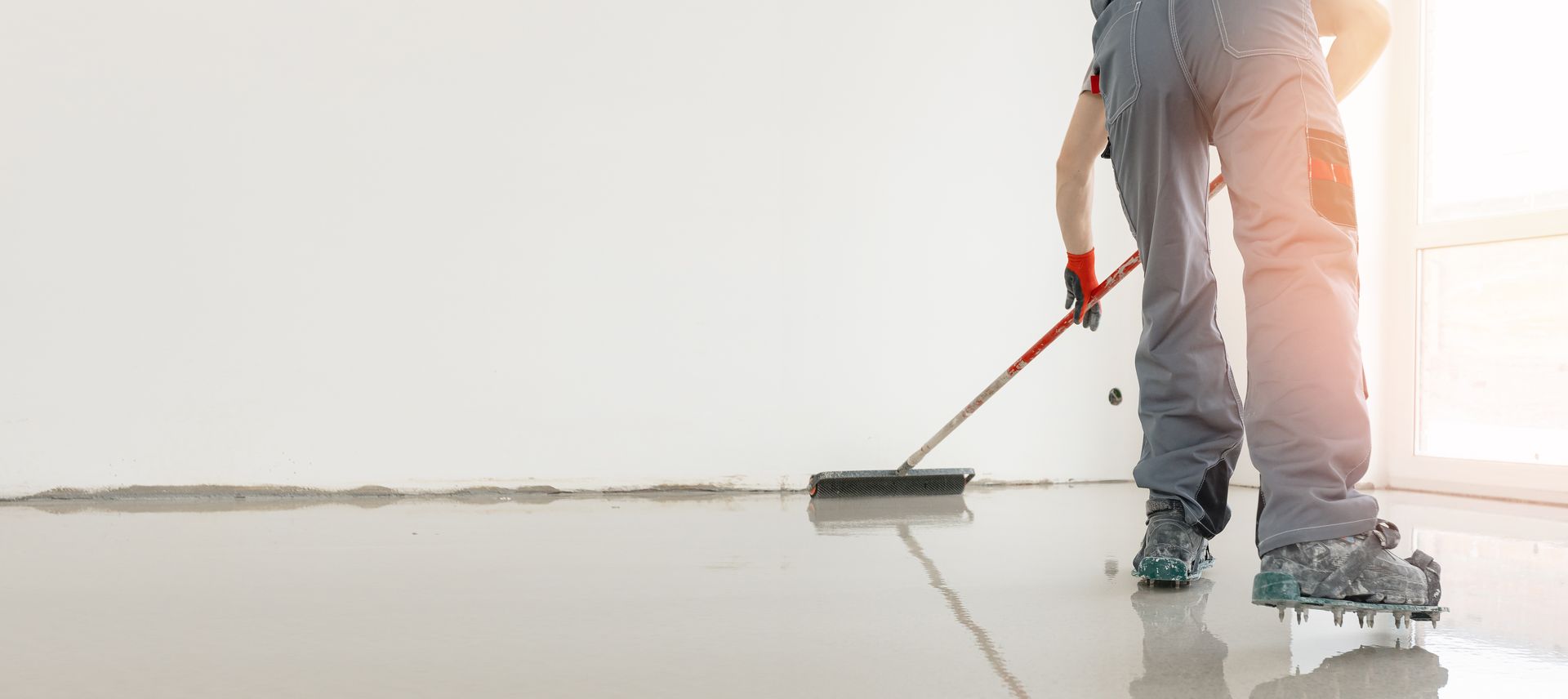
Tradesman Painting applies epoxy coating systems to garages, commercial facilities, and industrial environments where floors endure constant use. The coating creates a sealed surface that resists oil stains, chemical spills, and the wear patterns typical in high-traffic areas. Property owners throughout Lake Elsinore use epoxy systems when concrete surfaces show staining, dusting, or visible damage from years of exposure.
The system works by bonding a resin-based coating directly to prepared concrete, creating a hard shell that protects the substrate beneath. Surface preparation determines how well the coating adheres and how long it performs—grinding removes contaminants and opens concrete pores so the epoxy can penetrate and lock into place. Without proper preparation, coatings fail prematurely through delamination or bubbling.
Request a flooring estimate to evaluate current surface conditions and determine which epoxy system fits your use requirements.
How Epoxy Systems Protect Concrete Long-Term
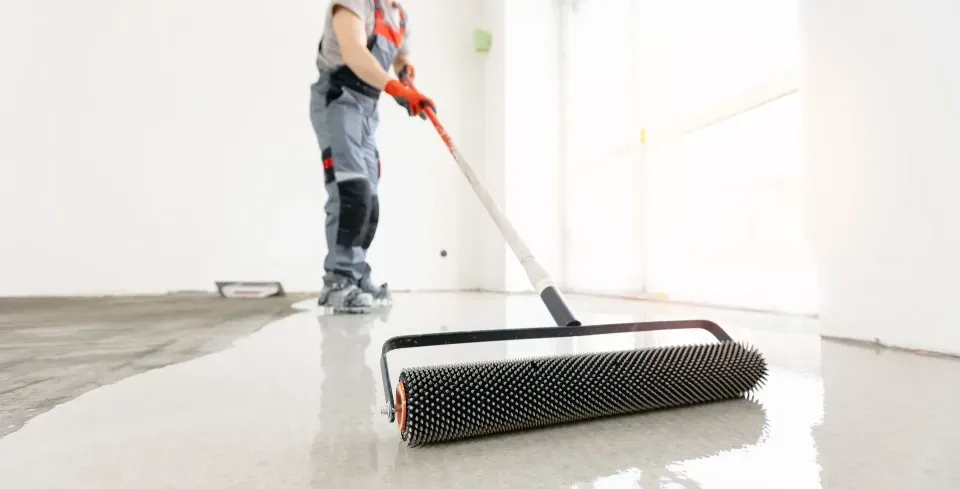
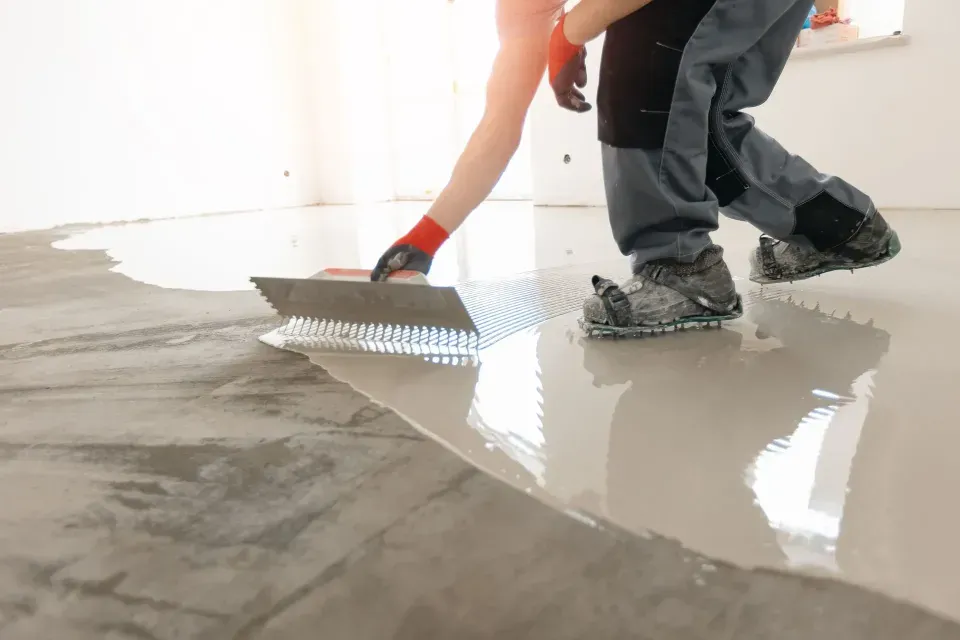
Application begins with mechanical surface preparation—diamond grinding equipment removes sealers, oils, and weakened concrete while profiling the surface for maximum adhesion. Cracks and joints are filled, and the entire area is vacuumed to eliminate dust that would compromise bonding. The epoxy is then applied in measured layers, with broadcast aggregate added between coats when slip resistance is required.
Once cured, you walk on a surface that no longer absorbs liquids or shows tire marks from daily parking. Spilled fluids sit on top of the coating instead of soaking into porous concrete, which means cleanup involves wiping rather than scrubbing. The floor reflects overhead lighting more effectively due to the coating's gloss finish, improving visibility in workspaces and garages without adding light fixtures.
Epoxy systems vary in thickness and formulation depending on the environment—residential garage floors typically use thinner coatings than commercial warehouses where forklifts operate. The coating does not eliminate existing structural cracks or repair substrate damage, so severe concrete deterioration requires repair before coating application. Temperature and humidity during installation affect curing times, which is why application schedules account for seasonal conditions in Southern California.
What to Know Before Starting
Property owners in Lake Elsinore often ask about preparation requirements and how epoxy performs under local conditions before committing to installation.
What happens during surface preparation before epoxy is applied?
The concrete is mechanically ground to remove all coatings, contaminants, and laitance, then profiled to create the texture needed for proper epoxy adhesion—this step determines whether the coating lasts years or fails within months.
How long does an epoxy floor coating typically last in a residential garage?
Properly installed systems in garages with standard vehicle traffic and occasional spills generally perform for ten to fifteen years before requiring recoating, though UV exposure near open doors can cause minor color fading over time.
Why do some epoxy floors show yellowing or dullness after a few years?
Direct sunlight breaks down certain epoxy resins, causing discoloration near garage doors or windows—UV-stable topcoats are available for areas with consistent sun exposure, though they add to project cost.
Can epoxy coatings be applied over existing garage floor paint or sealer?
No, all previous coatings must be removed during surface preparation because epoxy bonds to concrete, not to other products—attempting to coat over paint results in adhesion failure when the underlying layer releases.
What temperature and humidity conditions are required during epoxy installation in Lake Elsinore?
Concrete surface temperature must stay between fifty and ninety degrees Fahrenheit during application and curing, and relative humidity should remain below eighty-five percent to prevent moisture from interfering with the chemical cure process.
Tradesman Painting evaluates substrate conditions and discusses system options based on how you use the space. Schedule a consultation to review surface preparation needs and determine which coating thickness matches your traffic patterns and exposure conditions.