
Substrates Protected from Climate and UV Exposure
Exterior Painting in Lake Elsinore for buildings exposed to intense sun, temperature swings, and occasional heavy moisture
Southern California's intense UV exposure, dry heat, and seasonal rain cycles cause exterior coatings to fail through fading, chalking, cracking, and adhesion loss when surfaces aren't properly prepared or products aren't selected for regional conditions. Exterior painting services from Tradesman Painting protect and enhance building exteriors for homes, commercial buildings, and community properties where substrate protection matters as much as curb appeal. Preparation processes including cleaning, repairs, and surface conditioning determine whether new coatings last five years or fifteen, with cleaning removing contaminants that prevent adhesion and repairs addressing damaged substrates before moisture penetrates behind the coating.
Protection against sun exposure, moisture intrusion, and environmental wear requires durable coatings selected specifically for Lake Elsinore's climate patterns, where temperature swings between day and night stress coatings through repeated expansion and contraction cycles. Surface conditioning creates the profile necessary for mechanical adhesion, particularly on previously painted surfaces where chalking or gloss prevents new coatings from bonding properly.
Request an exterior painting consultation to assess current coating condition and discuss products suited to your building's exposure and substrate type.
What Surface Conditioning Actually Accomplishes
Surface conditioning through cleaning, abrading, or chemical treatment creates the texture profile that allows coatings to mechanically lock onto substrates rather than simply sitting on top of smooth, contaminated surfaces. Pressure washing removes dirt, mildew, and loose coating material, while chemical cleaners address chalking or oxidation that leaves a powdery residue preventing adhesion. Repairs to wood rot, stucco cracks, or damaged trim prevent moisture from infiltrating behind new coatings where hidden damage accelerates substrate deterioration and coating failure.
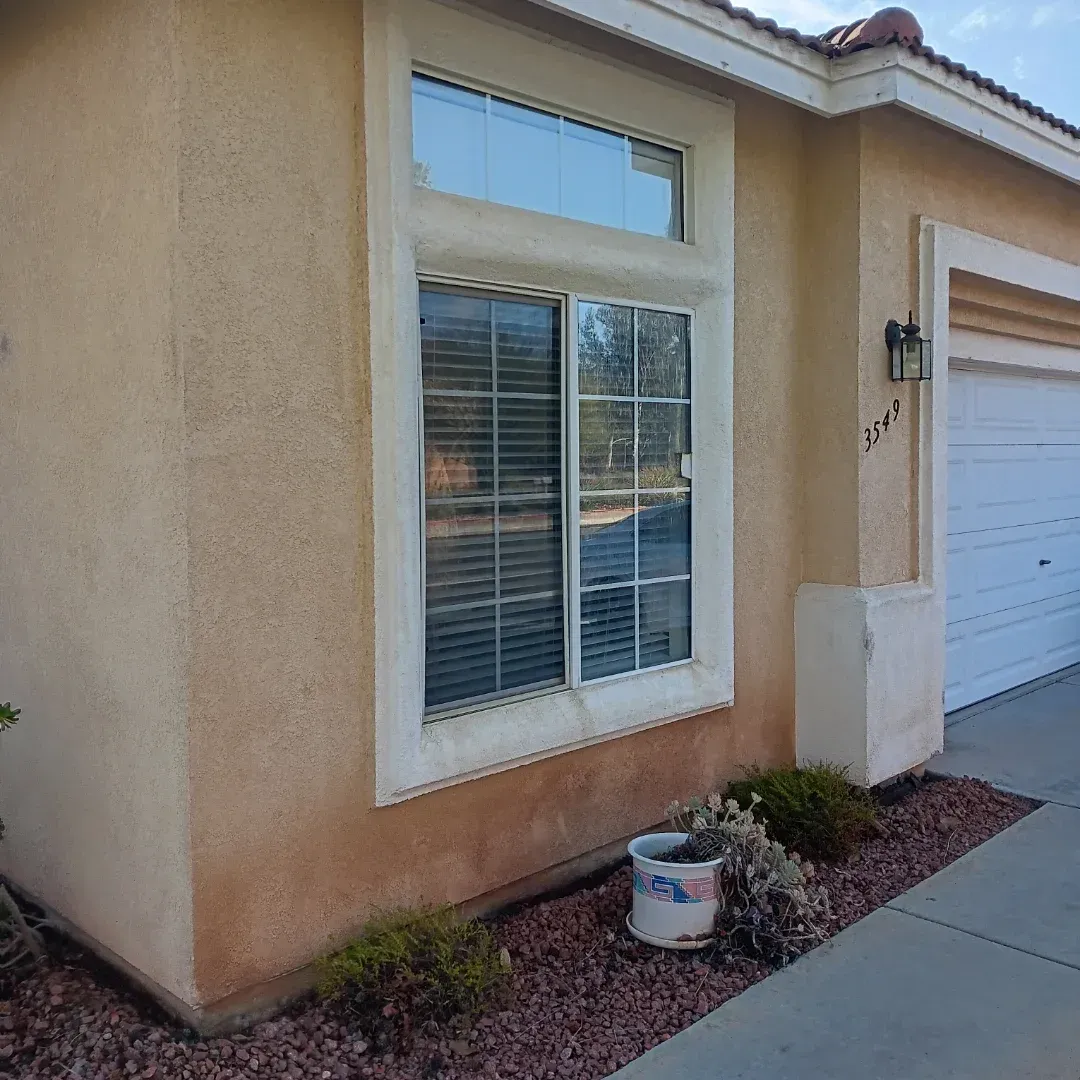
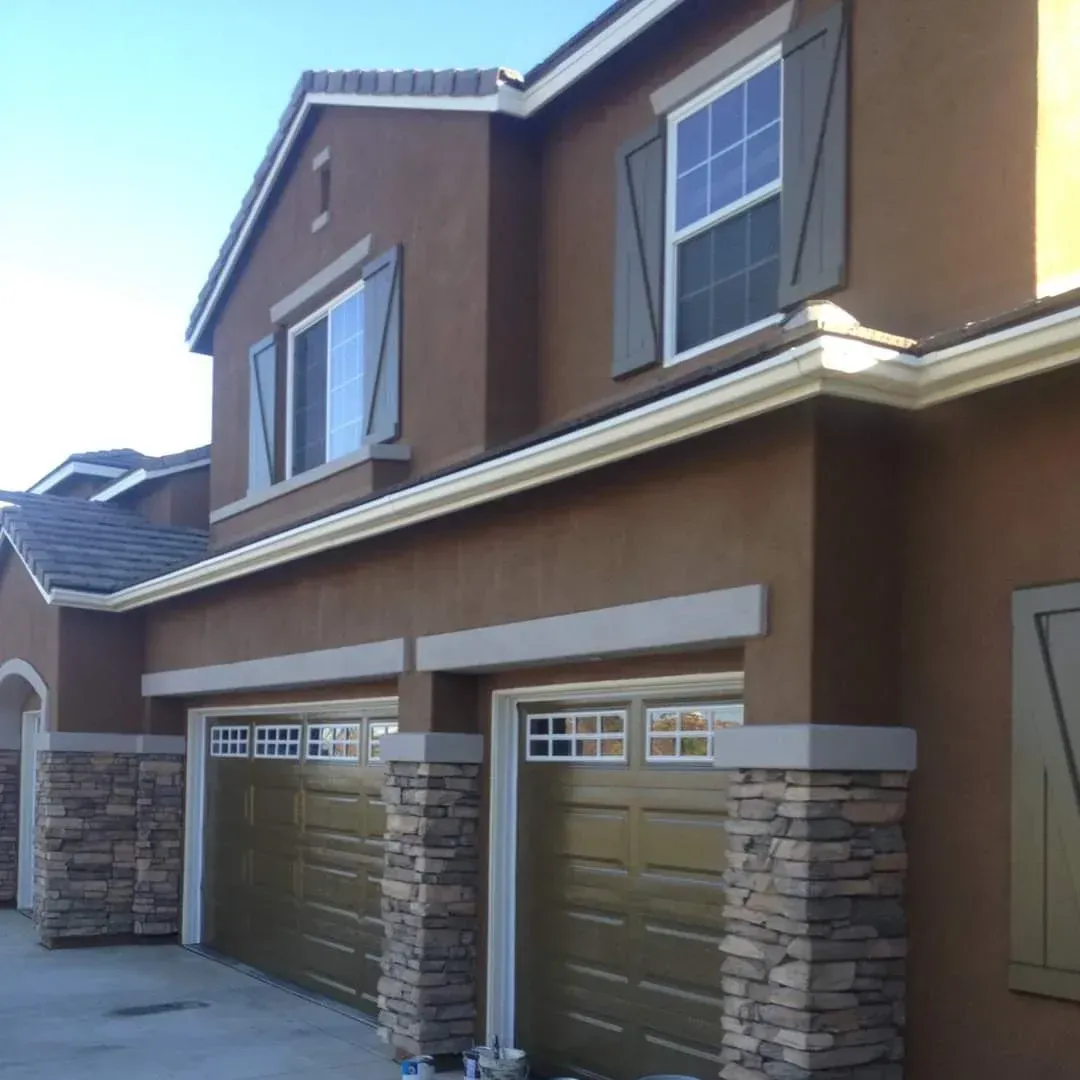
After completion, buildings show improved curb appeal with consistent color across all elevations, sharp lines where trim meets siding or stucco, and protected substrates that shed water properly without allowing moisture intrusion. Property presentation changes immediately from the street, supporting property values and neighborhood appearance standards while extending the interval before repainting becomes necessary again.
Durable coatings formulated for high-UV environments maintain color and gloss longer than standard products, resist chalking that creates the dusty surface residue common on failed coatings, and handle thermal expansion without cracking or losing adhesion. The selection process accounts for substrate type, exposure severity, and maintenance preferences to balance initial cost against long-term performance and repaint frequency.
What Property Owners Need to Know
Exterior painting involves more variables than interior work, with climate, substrate condition, and product selection all affecting how long finishes last before requiring attention again in Lake Elsinore's demanding conditions.
What preparation steps matter most for exterior durability?
Thorough cleaning to remove contaminants, repair of damaged substrates before coating, and surface conditioning to create proper adhesion profile determine coating performance more than the paint itself.
How do Southern California conditions affect exterior coating selection?
Intense UV exposure requires coatings with enhanced fade resistance, while temperature swings demand flexibility to handle expansion and contraction without cracking or losing adhesion to substrates.
What improvements appear immediately after exterior painting?
Curb appeal changes with consistent color and clean lines, while functional improvements include sealed surfaces that shed water properly and protected substrates that resist moisture intrusion and sun damage.
When should exterior painting happen relative to other building improvements?
Painting follows repairs to siding, trim, or stucco but precedes landscaping updates, allowing access to all surfaces without damaging newly installed plants or hardscaping.
How is landscaping protected during exterior painting?
Plants receive covering with plastic sheeting or drop cloths, sprinkler heads are flagged to prevent coating contact, and ground coverings protect soil and mulch from drips or overspray throughout the project.
Tradesman Painting coordinates exterior projects with attention to preparation quality and product selection suited to local climate demands. Schedule a consultation to evaluate your building's current condition and discuss coating options that balance appearance, durability, and long-term maintenance requirements.